Wooden, Paper, Metal or Digital Business Cards: Which Fits Your Networking Style?
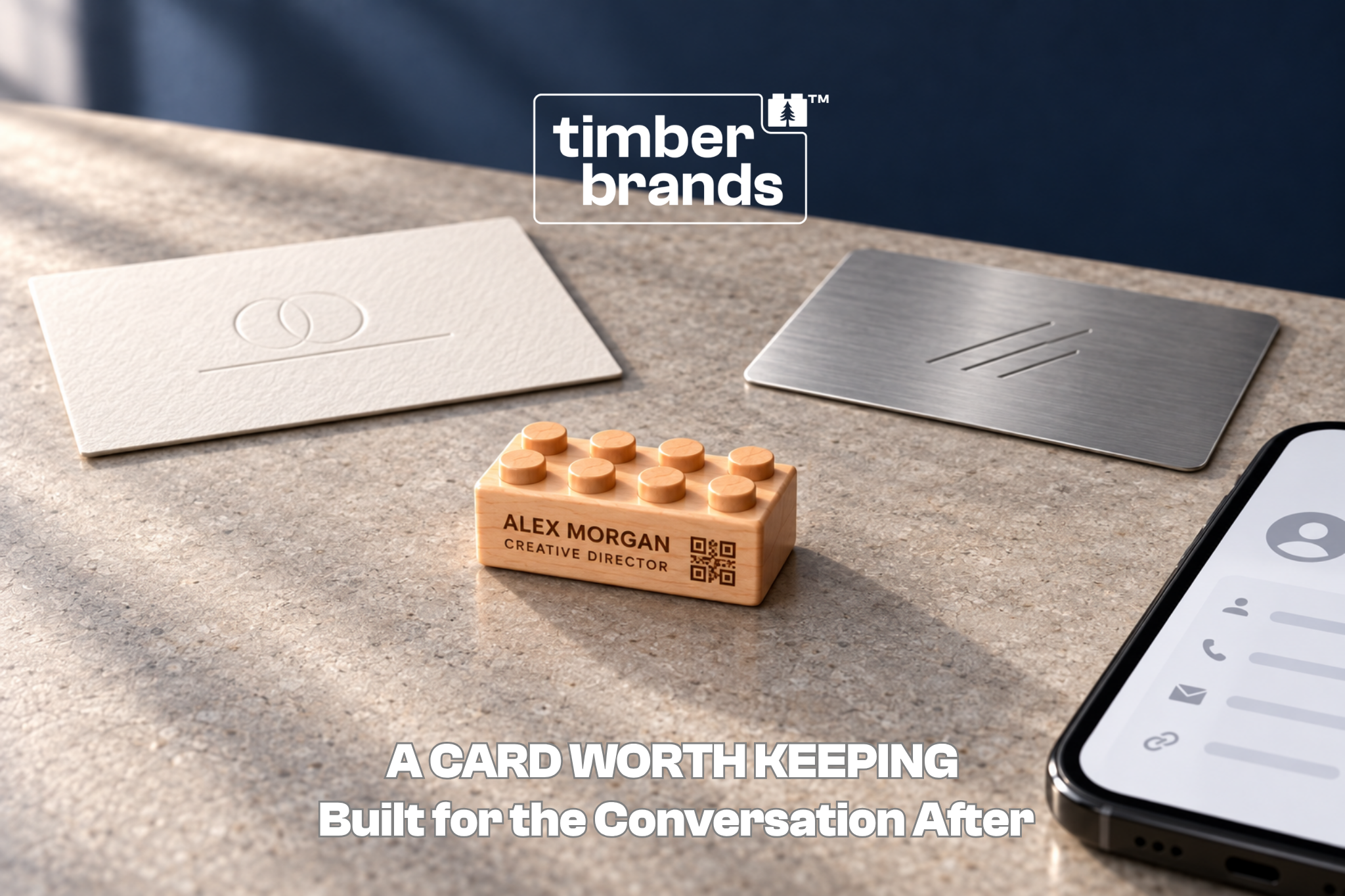
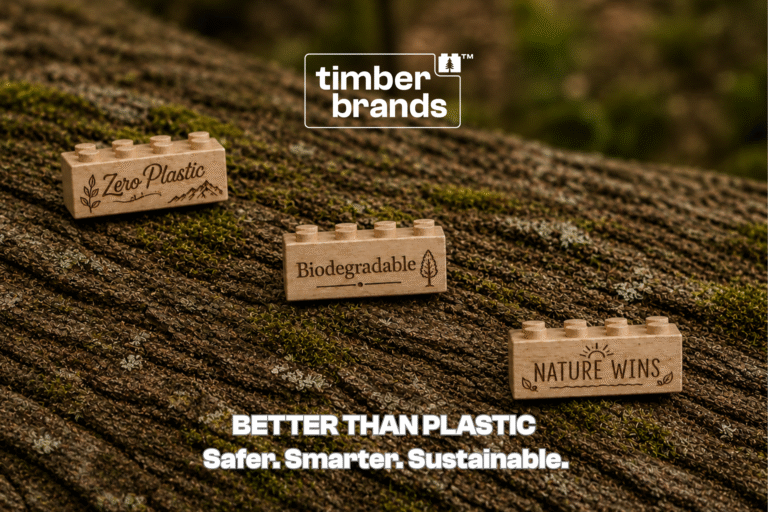
Timber Brands custom engraved wooden business cards are redefining what a physical business card can be, but wood isn’t automatically the right choice for every professional or every networking situation. As FSC-certified, biodegradable building blocks, these cards offer something paper, metal, and digital formats each handle differently, and choosing the right one depends more on how someone actually networks than which format sounds the most impressive.
Every Timber Brands business card brick is part of a plastic-free system crafted in the USA through precision CNC milling and laser engraving. This isn’t a case for wood winning every comparison, it’s a look at where each format genuinely fits.
What Actually Matters When Comparing Formats
Four things tend to matter most when comparing business card formats: how easy the card is to carry in volume, how much information it can hold, what it costs to distribute at scale, and how easily the information on it can be updated when a phone number or title changes. No single format wins on every one of these, which is exactly why the right choice depends on how someone actually uses a business card.
Paper Cards
Paper remains the easiest format to carry and hand out in large quantities, and it’s typically the least expensive option per unit, which makes it well suited to high-volume distribution at conferences or trade shows. The tradeoff is durability and memorability, paper cards get lost, bent, and discarded easily, and a stack of them tends to blend together by the end of a networking event. Updating a paper card’s information also means reprinting the entire batch.
Metal Cards
Metal cards carry a premium feel and hold up to wear better than paper, which makes them a reasonable choice for professionals who hand out relatively few cards to high-value contacts rather than distributing them broadly. They tend to cost more per unit than paper, and like paper, any change to contact information requires an entirely new production run. Check current documentation from a metal card provider for specific pricing and lead times, since these vary by vendor.
Digital Business Cards
A digital card, typically a shareable link or app-based profile, solves the update problem completely, since a professional can change their title, phone number, or company at any time without needing to reissue anything. The tradeoff is that a digital card depends entirely on the other person’s phone, a screen, a signal, and a willingness to open a link, rather than something they can simply hold. Timber Brands does not provide NFC hardware or contact-management software; a digital card exists independently of any physical product.
Wooden Business Cards
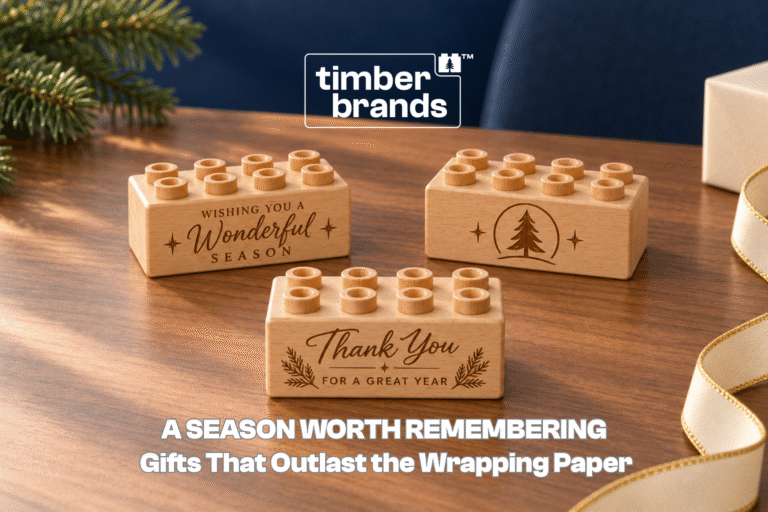
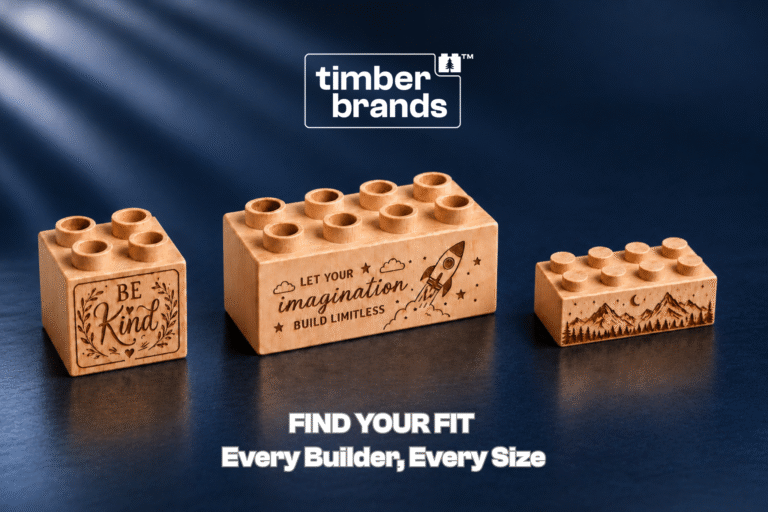
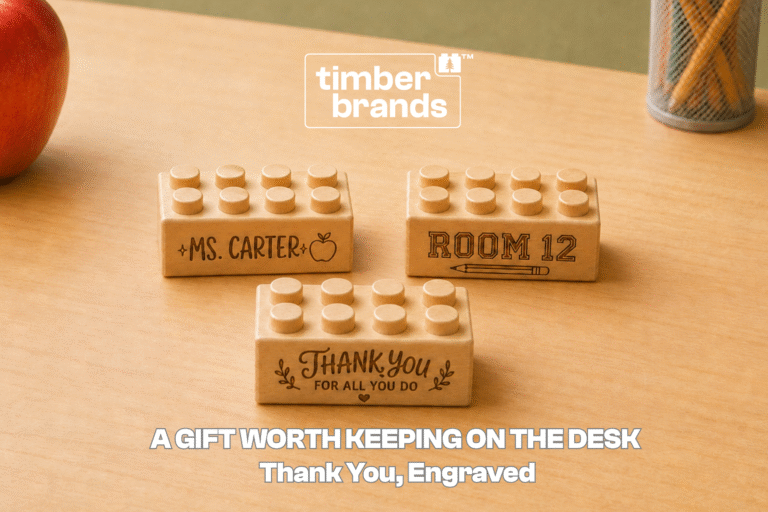
A wooden card sits closer to the metal card’s use case than paper’s, it’s not meant for handing out by the hundred, but for situations where a professional wants to be remembered rather than simply logged. The natural texture and weight tend to prompt a question or a comment in a way a paper card rarely does, which gives the person handing it over a natural opening to talk about their work. Because engraving space is limited on a small brick, a wooden card typically carries a name, title, company, and either a phone number, email, or a QR code, rather than every possible contact detail at once.
A Card Doesn’t Have to Be Purely Physical or Purely Digital
A physical card, whether paper, metal, or wood, can still link to a digital profile through a printed or engraved QR code, giving a recipient the option to save full contact details digitally while still walking away with something tactile. This makes the physical-versus-digital decision less of an either/or than it first appears, a wooden card with a QR code offers both a memorable object and a fast path to complete digital contact information.
Matching the Format to the Situation
High-volume distribution at a large trade show tends to favor paper, simply because of cost and quantity. A smaller list of high-value client meetings tends to favor metal or wood, where memorability matters more than unit cost. A professional who meets people primarily through virtual calls or online introductions may lean almost entirely on a digital card, since there’s rarely a physical handoff moment to begin with.
Choosing the Format That Matches How You Actually Network
Timber Brands demonstrates that a wooden card isn’t meant to replace every other format, it’s built for the moments when being remembered matters more than being distributed widely. Whether that’s paired with a paper stack for broad distribution or a QR code linking to a digital profile, the right combination usually depends on the room a professional is walking into.
Explore Wooden Business Card Bricks:
Explore Custom Engraved Wooden Bricks
Contact Us to Get Started: sales@timberbrandsusa.com
For Immediate Assistance Call: +1 214 326 0130
Every engraved card is built for the conversation that follows the handoff.
Frequently Asked Questions
Is a wooden business card better than paper?
Not universally. Paper is better suited to high-volume, low-cost distribution, while a wooden card fits situations where memorability matters more than quantity, such as smaller, higher-value meetings.
Can a wooden business card include a QR code?
Yes, engraving allows for a QR code alongside a name and title, though whether it scans reliably depends on the final size and contrast of the design once engraved.
What happens if contact information changes after ordering wooden cards?
Like paper or metal cards, a wooden card would need to be reordered to reflect updated information. A digital card can be updated instantly since it isn’t tied to a physical object.
Does Timber Brands offer NFC-enabled cards or contact-management software?
No. Timber Brands provides engraved wooden cards as a physical product. A QR code can link to an existing digital profile, but Timber Brands does not supply NFC hardware or software for managing digital contacts.
Is a wooden card practical for handing out at a large trade show?
It can work for a smaller, targeted list of contacts at an event, but paper remains better suited to very high-volume distribution simply due to lower cost per unit.